Master blockchain gambling in Africa. Learn smart contracts, crypto betting platforms, regulatory landscapes, and platform evaluation techniques from industry experts.

The Complete Guide to Blockchain Gambling Africa: Smart Contracts, Crypto Betting, and Fair Gaming Revolution

Last month, a Kenyan developer launched a decentralized poker room that processed 2.8 million KES in wagers within its first week—all settled automatically via smart contracts. This wasn’t just another gambling site; it represented the fundamental shift toward transparent, provably fair gaming that blockchain gambling Africa is experiencing across the continent.
This guide covers everything from immutable betting records and smart contract automation to regulatory navigation and platform security evaluation. Whether you’re developing crypto betting platforms, advising gaming operators, or analyzing market opportunities, you’ll find the technical insights and practical frameworks needed to understand this rapidly evolving landscape.
Understanding Immutable Betting Records and Transparency
Blockchain’s immutable ledger creates an unprecedented level of transparency in gambling transactions. Every bet, payout, and game outcome gets recorded permanently on-chain, making manipulation virtually impossible once confirmed.
The cryptographic hash functions used in blockchain networks ensure that altering historical records would require compromising the entire network—economically unfeasible for established chains like Ethereum or Bitcoin. This creates what industry insiders call “mathematical fairness,” where trust shifts from operators to cryptographic proofs.
However, not all blockchain implementations offer equal transparency. Layer-2 solutions and sidechains often batch transactions before settling on mainnet, creating temporary windows where records aren’t immediately immutable. Platforms like FunFair use state channels that only commit final balances to the main chain, reducing transparency during active gaming sessions.
For African markets dealing with currency instability and trust issues with traditional operators, this transparency addresses fundamental concerns about fair play and operator integrity.
How Smart Contracts Automate Payouts and Eliminate Disputes
Smart contracts execute automatically when predetermined conditions are met, removing human intervention from payout processes. In gambling applications, this means winnings distribute immediately upon game completion, with no possibility for operators to delay or deny legitimate payouts.
The most sophisticated implementations use oracle networks like Chainlink to fetch external data for sports betting outcomes. These oracles aggregate results from multiple data sources, creating consensus mechanisms that prevent single points of manipulation.

Cryptocurrency’s Role in Borderless Gaming Transactions
But let’s be real here—this borderless nature also complicates regulatory compliance. Operators must navigate licensing requirements across multiple jurisdictions when players from different countries participate in the same games.
Stablecoins like USDC and DAI provide price stability while maintaining cryptocurrency’s borderless benefits. Many African crypto betting platforms now default to stablecoin denominations to reduce volatility exposure for both operators and players.
Major Platforms Revolutionizing Blockchain Gambling Africa
Several established platforms have gained significant traction across African markets. Stake.com processes over $2 billion in annual wagering volume and accepts players from most African countries, offering VIP programs specifically tailored to high-volume African traders.
BitCasino focuses on Bitcoin-only gaming with provably fair algorithms that players can verify independently. Their African user base grew 340% in 2023, driven primarily by Nigerian and South African players seeking alternatives to traditional operators.
Newer entrants like BC.Game and Rollbit have captured market share by accepting smaller cryptocurrencies popular in specific African regions. BC.Game supports over 50 cryptocurrencies, including several African-focused tokens that traditional platforms ignore.
However, platform sustainability varies significantly. Some operators struggle with liquidity during high-volatility periods, leading to temporary withdrawal restrictions that damage user trust.
Navigating Regulatory Grey Zones Across African Markets
African gambling regulations create a complex patchwork of legal frameworks that blockchain operators must navigate carefully. South Africa’s National Gambling Act doesn’t specifically address cryptocurrency gambling, creating operational uncertainty that most platforms resolve by operating offshore.
Nigeria presents the most interesting case study. The Central Bank of Nigeria banned cryptocurrency transactions in 2021 but lifted restrictions in 2023, causing dramatic shifts in platform availability and user adoption patterns. Platforms that maintained operations through P2P workarounds gained significant market advantages.
Kenya’s Betting Control and Licensing Board requires physical presence and local partnerships for licensing, effectively excluding pure blockchain platforms. This drives Kenyan players to offshore operators, reducing local tax revenue and regulatory oversight.
In my view, regulatory clarity will emerge first in countries with established financial technology frameworks. Rwanda and Ghana show promising signs of comprehensive crypto gambling legislation that could serve as regional models.
Cryptocurrency Volatility: Strategic Advantage or Critical Risk?
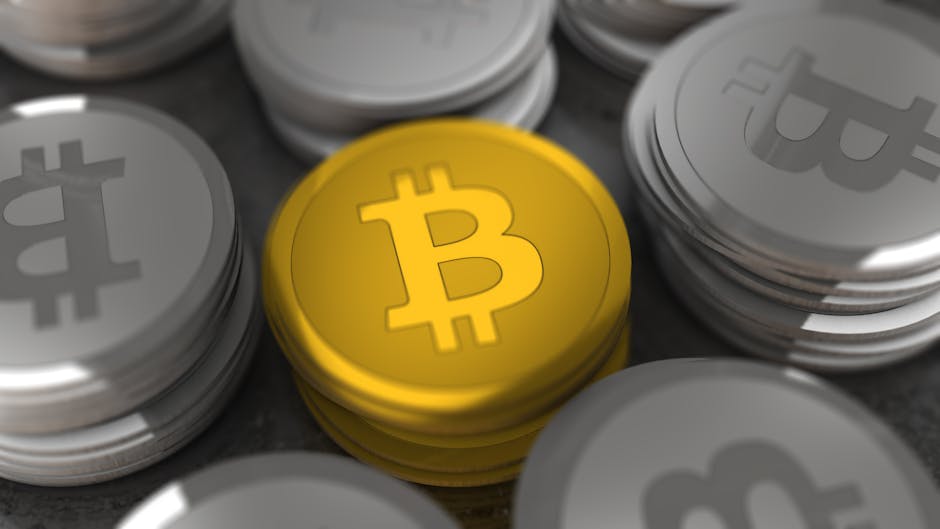
Evaluating Platform Security and Fairness Standards
Security evaluation requires examining both technical implementation and operational practices. Look for platforms that publish smart contract addresses for independent verification—any legitimate blockchain gambling operation should provide this transparency.
Provably fair algorithms represent the gold standard for game fairness. These systems use cryptographic techniques that allow players to verify each game outcome’s randomness independently. The server seed, client seed, and nonce combination should produce verifiable results that match the claimed outcomes.
However, security extends beyond smart contracts. Examine withdrawal processing times, customer support responsiveness, and incident response history. Platforms that experienced hacks but maintained transparent communication and user compensation often prove more trustworthy than those with perfect security records but poor transparency.
Multi-signature wallet implementations, regular security audits by firms like Quantstamp or CertiK, and bug bounty programs indicate serious security commitments that separate professional operations from amateur implementations.
Quick Reference: Implementation Checklist
Technical Due Diligence:
- Verify smart contract addresses on block explorers
- Test provably fair verification tools
- Check oracle data sources for sports betting
- Review withdrawal processing mechanisms
Regulatory Considerations:
- Confirm operational licenses in target jurisdictions
- Understand local cryptocurrency regulations
- Assess tax reporting requirements
- Monitor regulatory development timelines
Risk Management:
- Diversify across multiple cryptocurrencies
- Set volatility-based position limits
- Maintain emergency fiat conversion options
- Regular security audit scheduling
The blockchain gambling landscape in Africa continues evolving rapidly, with new platforms, regulations, and technologies emerging quarterly. Success requires staying current with both technical developments and regulatory changes across multiple jurisdictions.
Frequently Asked Questions
Which African countries legally allow blockchain gambling platforms?
Most African countries haven’t specifically legalized blockchain gambling, creating regulatory grey areas. South Africa, Ghana, and Rwanda show the most progressive approaches, while Nigeria’s cryptocurrency policies create operational uncertainty. Always verify current local regulations before engaging with any platform.
How do I verify if a blockchain gambling platform is provably fair?
Check if the platform publishes its smart contract addresses and provides verification tools for game outcomes. Legitimate platforms allow you to independently verify each bet using server seeds, client seeds, and nonce values. Look for third-party audits from firms like Quantstamp or CertiK.
What are the main risks of cryptocurrency volatility in gambling?
Cryptocurrency volatility can significantly impact your bankroll independent of gambling outcomes. A winning session might result in net losses if the cryptocurrency drops significantly before withdrawal. Consider using stablecoins like USDC or immediate fiat conversion to minimize volatility exposure.
Can traditional banks block transactions to blockchain gambling platforms?
Yes, many African banks block direct transactions to known gambling platforms, including blockchain-based ones. Users typically work around this through peer-to-peer exchanges, cryptocurrency ATMs, or indirect funding methods. Always comply with local banking regulations and tax requirements.
Related on Winner.co.zw

Steeve Morton covers online betting and gambling regulation in Zimbabwe: bookmaker licensing, tax rules on deposits and winnings, and mobile payment methods like EcoCash. He tracks changes to Zimbabwean gambling law and cross-checks every regulatory claim against the relevant authority before publishing.

New Casinos


Betway Africa - Easy to bet - Casino and Sports

1xBet Bookmaker | Bet on Sports & Play Casino Online

Mwors Zimbabwe – Online Sports Betting & Casino

Bwinners | Sport Betting & Casino Online in Zimbabwe | Aviator

PremierBet Zimbabwe | Bet on Sports & Play Casino Online
Recent News





Independent betting and casino guide for Zimbabwe — honest reviews of the operators, EcoCash support and games that matter locally. 18+. Gamble responsibly.