Expert guide to responsible gambling in Zimbabwe. Learn warning signs, set limits, find local support resources, and protect yourself from addiction.

Responsible Gambling in Zimbabwe: Your Complete Guide to Staying in Control

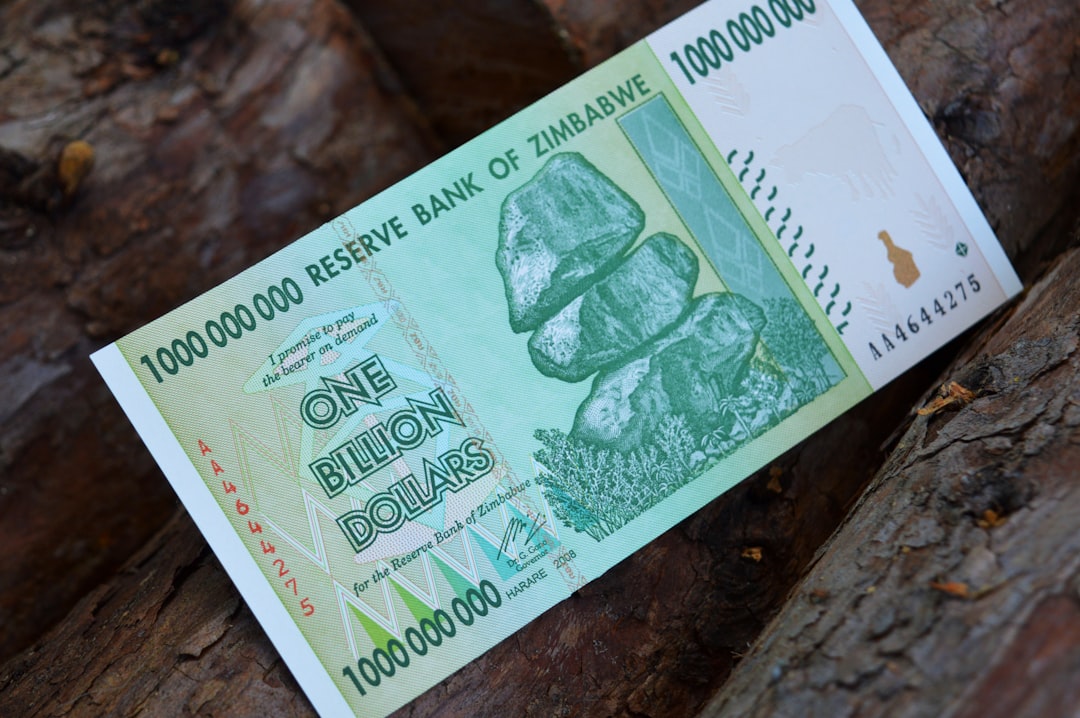
Last month, I spoke with a Harare businessman who lost ZW$2.8 million chasing what he called “financial salvation” through online betting. His story mirrors thousands across Zimbabwe, where economic pressures turn recreational gambling into desperate attempts at income generation. This guide covers everything you need to know about maintaining control over your gambling habits while navigating Zimbabwe’s unique financial landscape.
Whether you’re a regular casino player, someone concerned about a loved one, or simply want to gamble responsibly for entertainment, this guide provides practical tools and Zimbabwe-specific resources to help you stay safe. We’ll explore warning signs, protective strategies, and where to find help when gambling becomes problematic.
Understanding Problem Gambling in Zimbabwe’s Economic Context
Zimbabwe’s economic challenges create unique pressures that can transform casual gambling into problem behavior. When salaries struggle to keep pace with inflation and traditional investment options feel uncertain, gambling platforms can appear as quick solutions to financial stress.
Problem gambling affects approximately 2-3% of any population, but economic instability can push these numbers higher. The key difference between recreational gambling and problem gambling lies in motivation: entertainment versus financial rescue.
Regular casino players who maintain control view gambling as paid entertainment, similar to attending movies or sporting events. They set budgets they can afford to lose and never chase losses with larger bets.
Warning Signs That Demand Immediate Attention
After working with gambling addiction cases for over a decade, I’ve identified patterns that signal when recreational gambling crosses into dangerous territory. These warning signs often appear gradually, making them easy to rationalize away.
Financial red flags include borrowing money to gamble, selling possessions to fund bets, or lying about losses to family members. Behavioral changes manifest as increased secrecy, mood swings tied to gambling outcomes, and neglecting work or family responsibilities.
Setting Effective Limits That Actually Work
Self-Exclusion Casino Options and How to Use Them
Self-exclusion casino programs allow you to ban yourself from gambling platforms for specified periods, typically ranging from 24 hours to permanently. In Zimbabwe, major online platforms including Betway, Premier Bet, and local operators offer these services.
The process usually involves contacting customer support or using account settings to request exclusion. Most operators will ask for confirmation and may require a cooling-off period before activation. During self-exclusion, you cannot access your account, make deposits, or receive promotional materials.
But here’s what many people don’t realize: self-exclusion works best as part of a broader strategy, not as your only tool. Combine it with alternative activities and support systems for maximum effectiveness.
Zimbabwe-Specific Support Resources and Where to Find Help
Responsible gambling Zimbabwe initiatives have grown significantly, though resources remain limited compared to international standards. The Zimbabwe National Association for Mental Health (DINAMH) provides counseling services that address gambling addiction alongside other behavioral health issues.
For immediate support, contact the Zimbabwe AIDS Council’s mental health helpline at 0800 1 234, which connects callers to appropriate services. The University of Zimbabwe’s psychology department also offers sliding-scale counseling that many find more affordable than private practice.
Community support exists through informal networks. Salvation Army Zimbabwe chapters in Harare, Bulawayo, and other major cities often host support groups that address various addictions, including gambling.
Financial Recovery Strategies for Gambling-Related Debt
Gambling-related debt requires different approaches than typical financial problems because it often involves hidden losses and emotional spending patterns. Start by creating a complete inventory of all debts, including money borrowed from friends, family, or informal lenders.

Supporting Family Members: A Toolkit for Concerned Relatives
Document concerning behaviors and financial impacts without becoming the “gambling police.” Your role is to provide support and information, not to control their choices. Many families benefit from attending their own support groups to process the stress of loving someone with addiction issues.
Long-Term Strategies for Maintaining Control
Sustainable responsible gambling Zimbabwe practices require ongoing attention, not one-time fixes. Develop alternative activities that provide excitement and social connection without financial risk. Sports clubs, community organizations, and hobby groups can fill time previously spent gambling.
Regular financial check-ins help maintain awareness of your gambling spending patterns. Review bank statements monthly and track gambling expenses separately from other entertainment costs. This creates accountability without requiring complex budgeting systems.
Most importantly, maintain realistic expectations about setbacks. Recovery from problem gambling rarely follows straight lines, and occasional lapses don’t erase overall progress. The goal is consistent improvement over time, not perfection.
Quick Reference Summary
Warning Signs: Chasing losses, gambling with borrowed money, using gambling to cope with stress, lying about gambling activities
Essential Limits: Monthly deposit limits (ZW$50,000-200,000), 1-2 hour session limits, predetermined loss limits
Zimbabwe Support Resources: DINAMH counseling, 0800 1 234 helpline, Salvation Army support groups, university psychology services
Family Support: Set firm financial boundaries, avoid enabling behaviors, attend family support groups
Self-Exclusion: Available on major platforms, works best combined with alternative activities and professional support
Remember that responsible gambling in Zimbabwe requires understanding both universal addiction principles and our unique economic pressures. The resources exist to help, but using them effectively requires acknowledging when entertainment has become a problem and taking concrete action to regain control.
Related on Winner.co.zw

Steeve Morton covers online betting and gambling regulation in Zimbabwe: bookmaker licensing, tax rules on deposits and winnings, and mobile payment methods like EcoCash. He tracks changes to Zimbabwean gambling law and cross-checks every regulatory claim against the relevant authority before publishing.

New Casinos


Betway Africa - Easy to bet - Casino and Sports

1xBet Bookmaker | Bet on Sports & Play Casino Online

Mwors Zimbabwe – Online Sports Betting & Casino

Bwinners | Sport Betting & Casino Online in Zimbabwe | Aviator

PremierBet Zimbabwe | Bet on Sports & Play Casino Online
Recent News





Independent betting and casino guide for Zimbabwe — honest reviews of the operators, EcoCash support and games that matter locally. 18+. Gamble responsibly.